Dermal Fillers in London, Ontario: Lips, Cheeks, Under-Eyes & Jawline Done Right
Dermal Fillers in London, Ontario: Lips, Cheeks, Under-Eyes & Jawline Done Right
We don't change faces. We restore structure. That philosophy shapes every dermal filler treatment at Bespøke by SkinAlchemy in London, Ontario. Whether you're considering lip filler for the first time, seeking cheek restoration, exploring tear trough correction, or wanting a more defined jawline—the approach remains the same: anatomy-first placement, conservative dosing, and results that look like you, only rested.
The difference between filler that looks natural and filler that looks "done" isn't the product. It's the injector's understanding of facial architecture—bone structure, fat pad distribution, ligament position, and how your face moves when you smile, laugh, and speak
Why Filler Goes Wrong (And How to Avoid It)
The "overfilled look"—pillow face, duck lips, apple cheeks—doesn't happen because of dermal filler itself. It happens because of how filler is used.
Common Causes of Unnatural Filler Results
- Overcorrection: Injecting too much product in a single session to achieve dramatic change instantly
-
- Poor placement: Filler at the wrong depth or in the wrong anatomical plane distorts proportions rather than restoring them
- Ignoring anatomy: Treating without understanding bone structure, fat pads, and muscle movement creates results that fight your face rather than enhance it
- Chasing symmetry: No face is perfectly symmetrical—forcing it creates an artificial appearance
- Repeat treatments without reassessment: Adding more filler without evaluating previous results leads to accumulation and heaviness
The bespøke Approach: Structure First, Refinement Always
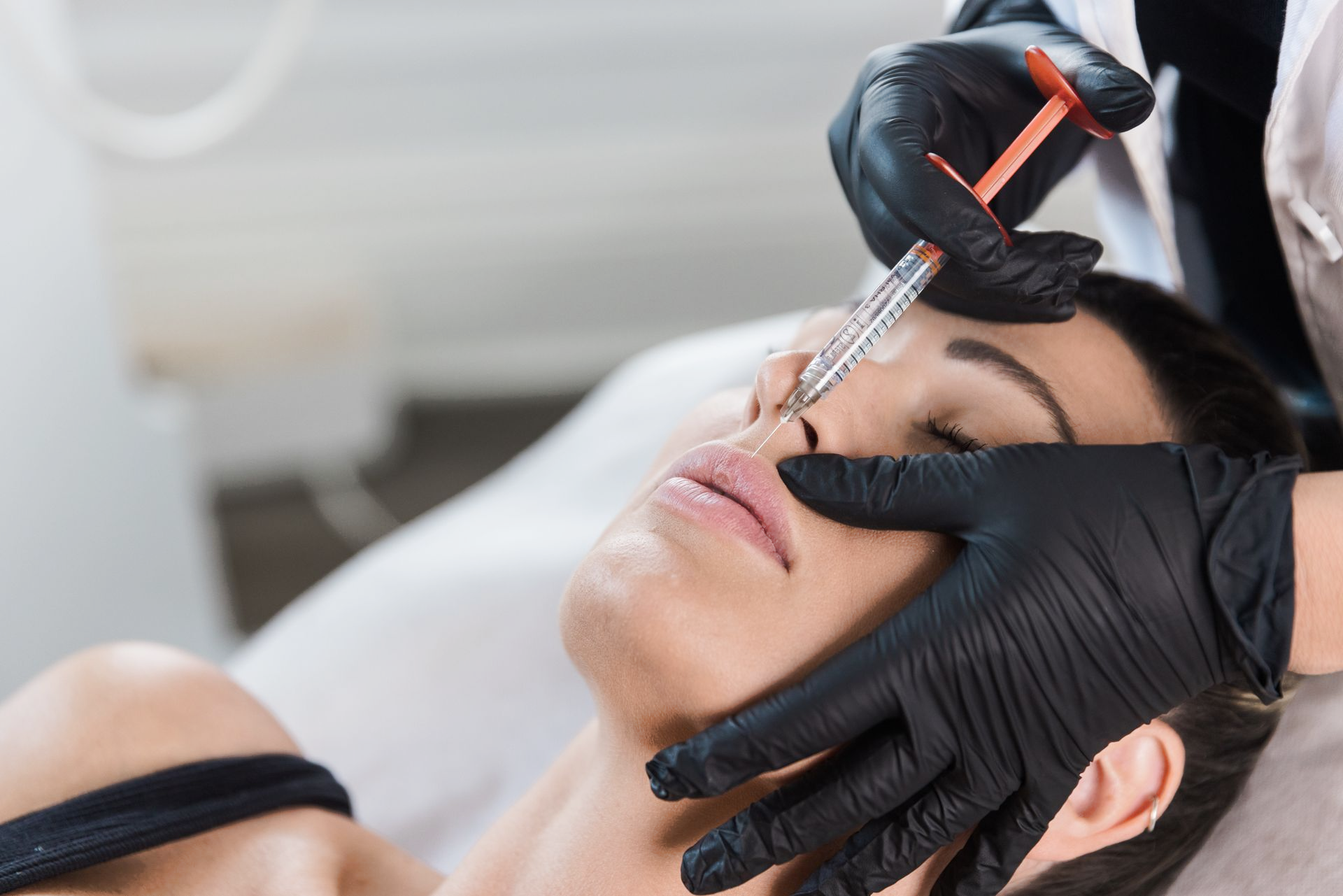
Lip filler remains one of the most requested—and most feared—aesthetic treatments. The fear is justified: poorly executed lip filler is highly visible and immediately recognizable.
At bespøke, every filler consultation begins with structural assessment—not product selection. We evaluate bone density, fat pad position, ligament integrity, and how your face has aged before recommending where (or whether) filler belong. This means:
- Starting with conservative amounts and building gradually
- Placing filler in the correct anatomical plane for each area
- Treating the cause of volume loss, not just the surface symptom
- Saying "no" or "not yet" when more filler isn't the right answer
The goal is quiet refinement—results that feel like rest, not work.
Lip Filler: Natural Enhancement Without the "Duck Lip"
- The "filler fatigue" phenomenon:eedingmore voume very 6-9 month
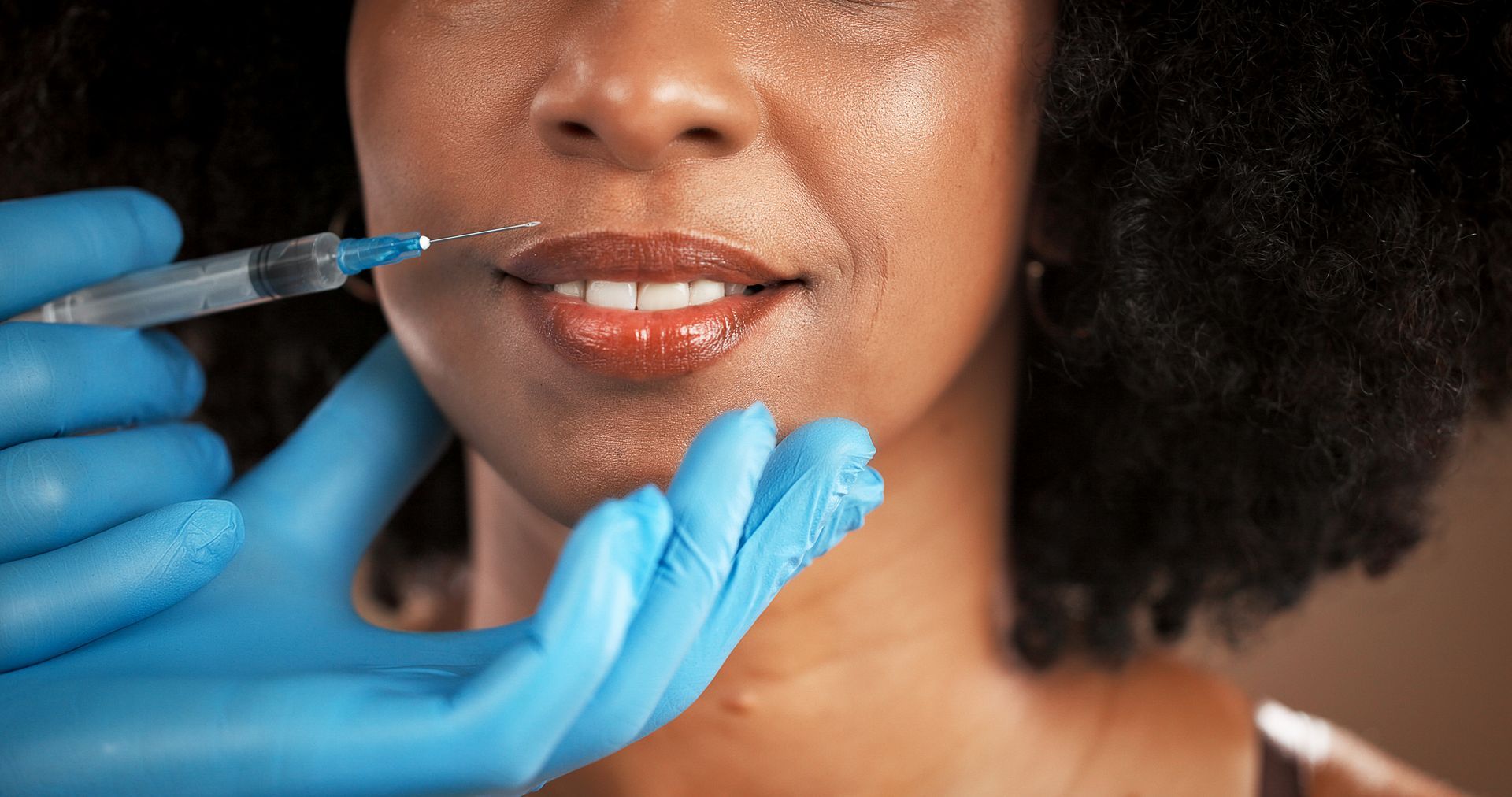
First-time lip filler patients typically receive 0.5–1mL of hyaluronic acid filler (Juvéderm, Restylane, or similar Health Canada-approved products). This provides noticeable but subtle enhancement—enough to assess how your lips respond before considering additional volume.
We use soft, flexible fillers specifically formulated for lips that move naturally with expression. Placement focuses on volumizing from within rather than projecting outward, maintaining your natural lip shape while adding hydration and fullness.
Results timeline: Visible immediately, though swelling peaks at 24-48 hours. Final results settle by 2 weeks. Longevity is typically 6-12 months depending on metabolism and product used.
Cheek Filler: Restoring Midface Structure
Understanding Cheek Anatomy
The cheek comprises multiple layers that each contribute to facial aging:
- Zygomatic arch (outer cheekbone): Filler here lifts and defines without widening the face
- Malar area (highest point of cheek): Restores the youthful "apple" without creating puffiness
- Deep fat pads: Provide structural support and address midface sagging
- Superficial fat pads: Smooth surface transitions and soften hollows
Correct filler placement depends on which layer has lost volume. Deep filler on the periosteum (bone) adds structure. Mid-dermal filler smooths transitions. Placing filler in the wrong plane—or overfilling superficially—creates the puffy, unnatural appearance patients fear.
Cheek Filler at Bespøke: Layered Restoration
Rather than injecting large volumes superficially, we use a layered approach:
- Deep structural support placed on or near the bone to lift and restore foundation
- Mid-level volumization to address fat pad atrophy
- Superficial smoothing only where needed to blend transitions
This approach often requires less total product than superficial-only placement while achieving more natural, longer-lasting results.
Typical volume: 1-2mL per cheek for modest restoration; some patients need more for significant volume loss. We start conservatively and reassess at 2 weeks.
Longevity: 12-18 months depending on product and placement depth.
Under-Eye Filler (Tear Trough): The Most Technical Area
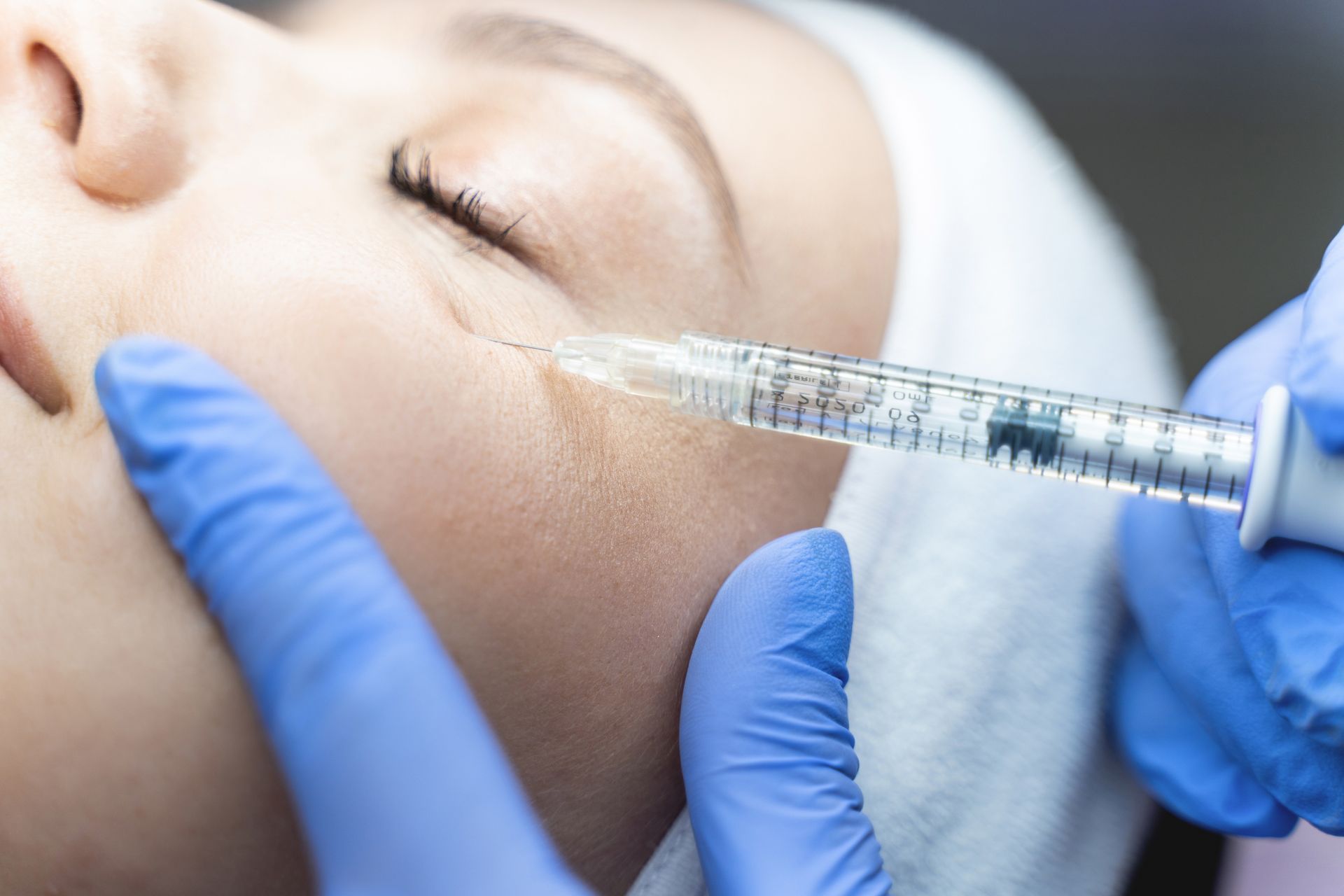
Tear trough filler addresses the hollow that forms between the lower eyelid and cheek—creating dark circles, a tired appearance, and premature aging around the eyes. It's also one of the most technically demanding filler areas due to thin skin, complex anatomy, and proximity to critical structures.
Who Is a Good Candidate for Tear Trough Filler?
Tear trough filler works best for patients with:
- Hollowing or volume loss beneath the eyes (not primarily skin laxity)
- Adequate skin thickness to camouflage filler
- Realistic expectations—filler improves hollows but doesn't eliminate dark pigmentation or significant bags
It may not be appropriate for patients with:
- Significant lower eyelid skin laxity (surgical blepharoplasty may be better)
- Very thin skin that would show filler irregularities
- Festoons or malar mounds (different condition requiring different treatment)
- Primarily pigmentation-based dark circles (filler addresses shadows, not melanin)
Tear Trough Treatment at Bespøke
Under-eye filler requires meticulous technique. We use:
- Low-viscosity, smooth fillers specifically suited for the delicate periorbital area (Belotero, Restylane Eyelight, or similar)
- Cannula technique when appropriate to minimize bruising and reduce risk
- Conservative volumes—typically 0.5-1mL total for both eyes
- Deep placement at the tear trough junction to lift shadows without creating visible lumps
-
Results timeline: Immediate improvement in hollowing and shadow. Swelling settles over 1-2 weeks. Longevity is typically 9-18 months—often longer than other facial areas due to minimal movement.
Important note: Not every patient is a candidate for tear trough filler. During consultation, we'll honestly assess whether filler, skincare, laser, or alternative treatments best address your under-eye concerns.
Jawline & Chin Filler: Creating Definition Without Surgery
Non-surgical jawline contouring has become one of the fastest-growing filler applications, particularly for patients seeking a stronger profile, reduced jowling, or better facial balance without surgical intervention.
What Jawline Filler Can (and Can't) Do
- Adding definition and angularity to a soft or recessed jawline
- Creating a sharper jaw-to-neck transition
- Balancing facial asymmetry
- Reducing the appearance of early jowling by providing structural support
- Strengthening a weak chin in profile
-
Jawline filler cannot:
- Replace surgical intervention for significant jowling or skin laxity
- Eliminate a true double chin (fat reduction treatments like Belkyra may be appropriate)
- Create dramatic structural change that would require implants
-
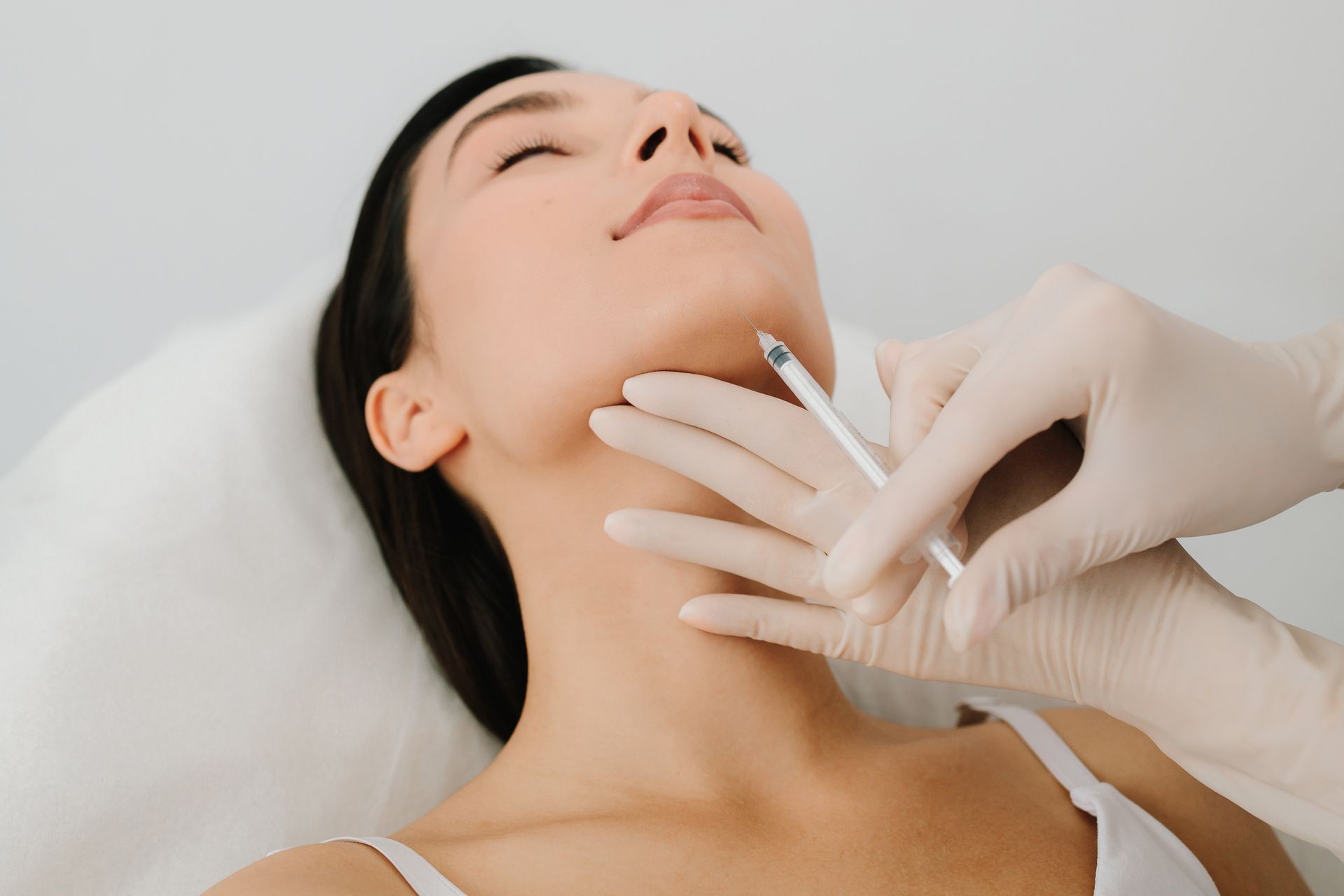
We use firmer, more cohesive fillers designed for structural support (Juvéderm Volux, Restylane Lyft, or similar) placed deeply along the mandibular border and chin.
The approach is anatomically mapped:
- Prejowl sulcus: The hollow in front of the jowl that deepens with age
- Mandibular angle: The corner of the jaw that provides angularity
- Chin projection: Forward projection and vertical height for profile balance
- Mandibular body: The length of the jawline between angle and chin
Typical volume: 2-4mL total for jawline definition; chin augmentation may require 1-2mL additional. Significant structural change may require multiple sessions spaced weeks apart.
Longevity: 12-18 months or longer due to deep placement and limited movement.
Combining Treatment Areas: The Full-Face Approach
Facial aging doesn't happen in isolation. Cheek volume loss contributes to under-eye hollowing. Jawline definition affects perceived neck laxity. Lip thinning changes the balance of the entire lower face.
Why Treating One Area Often Isn't Enough
A patient seeking lip filler may actually benefit more from cheek support—restoring midface volume can soften nasolabial folds and improve lip proportion without touching the lips at all.
Similarly, under-eye hollowing often improves significantly when cheek volume is restored, as the lid-cheek junction elevates.
Combining Treatment Areas: The Full-Face Approach
Every consultation includes full-face assessment regardless of which area you're asking about. We'll discuss:
- Where volume loss is actually occurring (which may differ from where you think it is)
- Which areas would benefit most from treatment
- What sequence makes sense if multiple areas need attention
- When filler isn't the answer (and what might be better)
This often means recommending less filler than patients expect—placed strategically where it provides structural support—rather than chasing every line or hollow with more product.
Ready for neuromodulators that honour your face, not erase it?
Book a consultation for Botox and cosmetic neuromodulators in London, Ontario. You’ll leave with a clear understanding of what’s possible, what’s recommended, and a plan that puts skin health and natural expression first.
Sonia Vilos, Nurse Practitioner (NP) | Bespoke by SkinAlchemy | London, Ontario, Canada