Botox & Neuromodulators in London, Ontario: Natural Results, Anatomy-Led
When neuromodulators are done well, no one can tell what you had done—only that you look rested, clearer, and less tense. At Bespøke by SkinAlchemy in London, Ontario, Botox, Dysport, Xeomin and Nuceiva are used as neuromodulators in the same way the clinic approaches everything: anatomy informs every decision, art shapes the outcome. The goal is precise, conservative dosing that softens expression lines while preserving natural movement—not the “frozen” look people worry about.
What is Botox? (And What It Isn't)
Botox and similar neuromodulators (Dysport, Xeomin, Nuceiva) are purified forms of botulinum toxin type A that temporarily relax overactive muscles at the neuromuscular junction. By blocking the nerve signal that tells the muscle to contract, they reduce the repetitive movements that create frown lines, forehead wrinkles, crow’s feet and other dynamic lines over time.
What Botox does:
- Softens expression lines between the brows (glabellar complex), across the forehead, and around the eyes
- Helps prevent lines from etching deeper by reducing repetitive folding of the skin
- Can treat medical concerns such as migraines, jaw clenching (masseter tension), and excessive sweating, when clinically appropriate
What Botox does not do:
- It does not fill or add volume (that’s dermal filler’s role)
- It does not lift tissue the way surgery does
- It does not need to erase every line to be effective—fine “resting” lines can remain for a natural appearance
At bespøke, neuromodulators are described as “anti-wrinkle injections” or “cosmetic neuromodulators” rather than just “Botox” because the focus is on mechanism and outcome, not a single brand name.
Our Philosophy: Conservative Botox for Natural-Looking Results
- The "filler fatigue" phenomenon:eedingmore voume very 6-9 month
Many patients arrive with the same concern: “I’m terrified of looking fake or frozen.” That fear is justified. Overdosing or poorly placed neuromodulators can flatten expression, drop the brows, and create an unnatural, heavy look.
The Bespøke approach is intentionally conservative:
Structure First, Then Dosage
Every face is assessed structurally—forehead height, brow position, muscle strength, asymmetries, and the way the face moves in animation. This matters because different muscles require different dosing; a small, low-set forehead cannot safely receive the same units as a tall, muscular forehead without risking heaviness or brow drop.
Typical “textbook” dosing is not applied blindly. For example:
- Forehead (frontalis) often ranges from 10–30 units depending on muscle strength and desired mobility
- Frown lines (glabella) may need 15–25 units across the corrugators and procerus
- Crow’s feet often require 5–15 units per side to soften lines while preserving a genuine smile
-
These are starting frameworks, not automatic prescriptions. First-time patients often receive measured, conservative dosing plus a follow-up visit to fine-tune based on how their unique anatomy responds.
Softening, Not Erasing” as the Goal
Rather than aiming to eliminate all movement, the target is calibrated: keep enough motion to maintain expression and character, reduce only the excessive contraction that etches lines deeply. This is especially important for:
- Creative professionals who rely on expressive faces
- Patients with naturally animated features
- Those trying Botox for the first time and wanting reassurance that they’ll still “look like themselves”
Patients are told up front: absolute stillness is not the aesthetic ideal here. The brand promise is quiet refinement and results that feel like rest, not work.
Preventative Botox vs. Corrective Botox: Who Needs What?
Neuromodulators can be both preventative and corrective. The difference lies in timing and strategy.
Preventative Neuromodulators (Late 20s to Early 30s)
By the late 20s, some people begin to notice faint “11s” between the brows or horizontal forehead lines that remain even when the face is at rest. Preventative Botox addresses these early expression lines before they become deeply etched.
Preventative dosing is typically:
- Lower per area than corrective dosing
- Focused on the most active muscles (often glabella and crow’s feet)
- Combined with topical skincare (retinoids, vitamin C, SPF) to address surface-level aging
The aim is to reduce repetitive folding of the skin so permanent creases are less likely to form. Patients are reassured that when done conservatively by an experienced provider, preventative Botox should not create a frozen or unnatural appearance; it simply softens excessive movement and slows the progression of lines.
Treatment Areas: Beyond the Forehead
- Brow lift (subtle) via precise weakening of depressor muscles
- Bunny lines on the nose
- Gummy smile softening
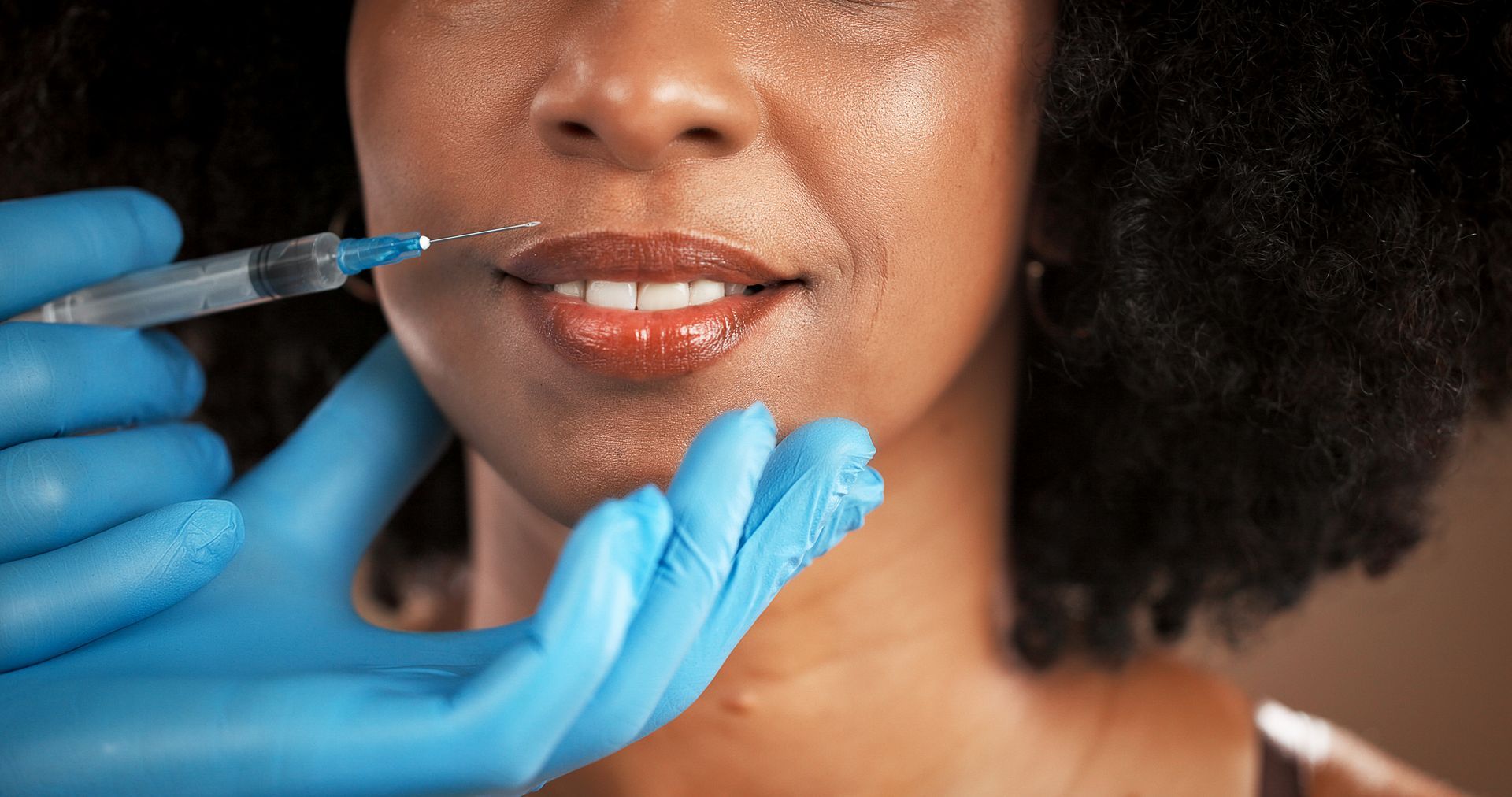
- Lip flip (subtle eversion of upper lip)
- Downturned mouth corners (DAO muscles)
- Chin dimpling (mentalis)
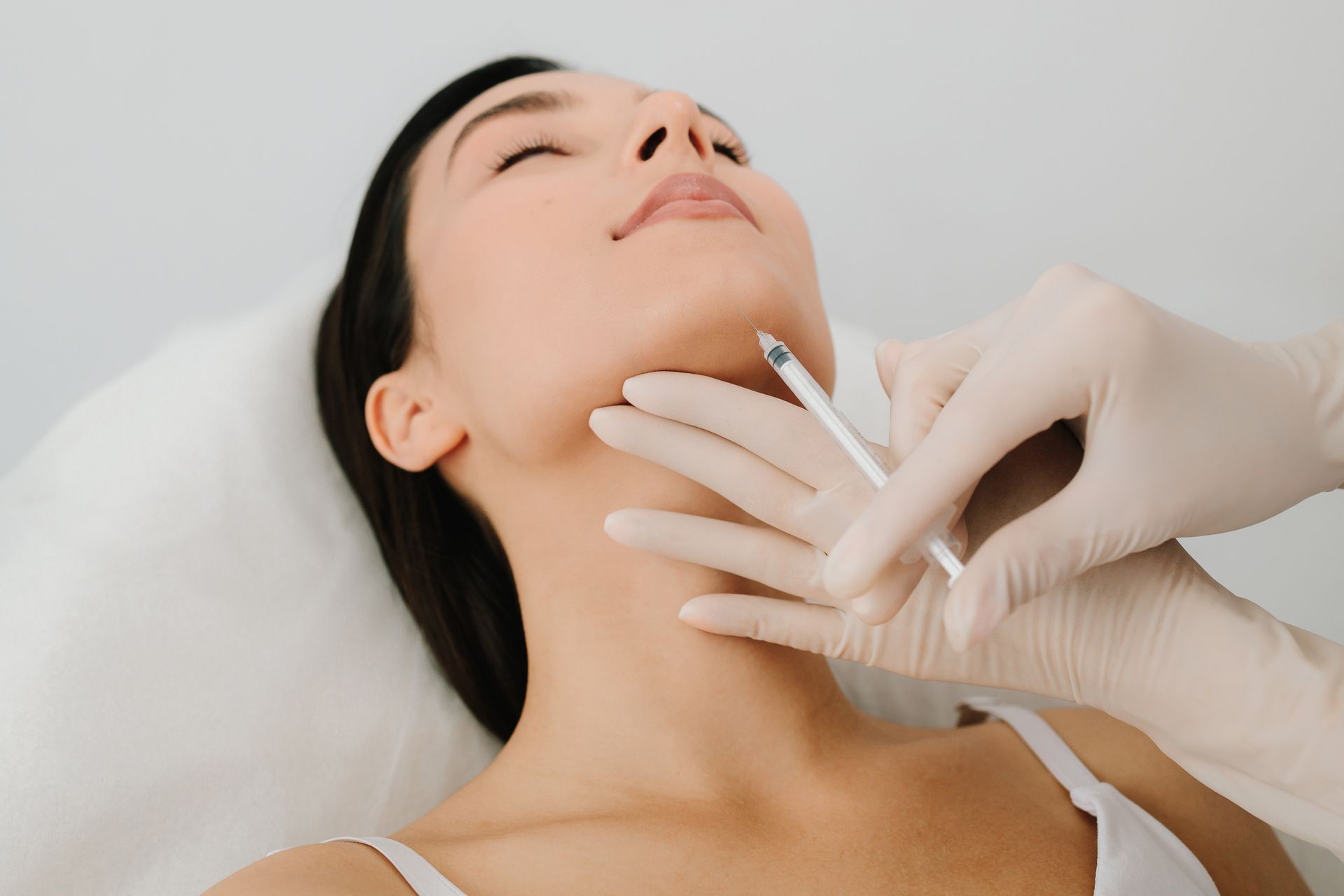
- Platysmal bands in the neck
- Masseter slimming for jaw clenching or facial width reduction
- Underarm hyperhidrosis (excessive sweating)
What to expect: Timeline, Longevity & Follow Up
during treatment
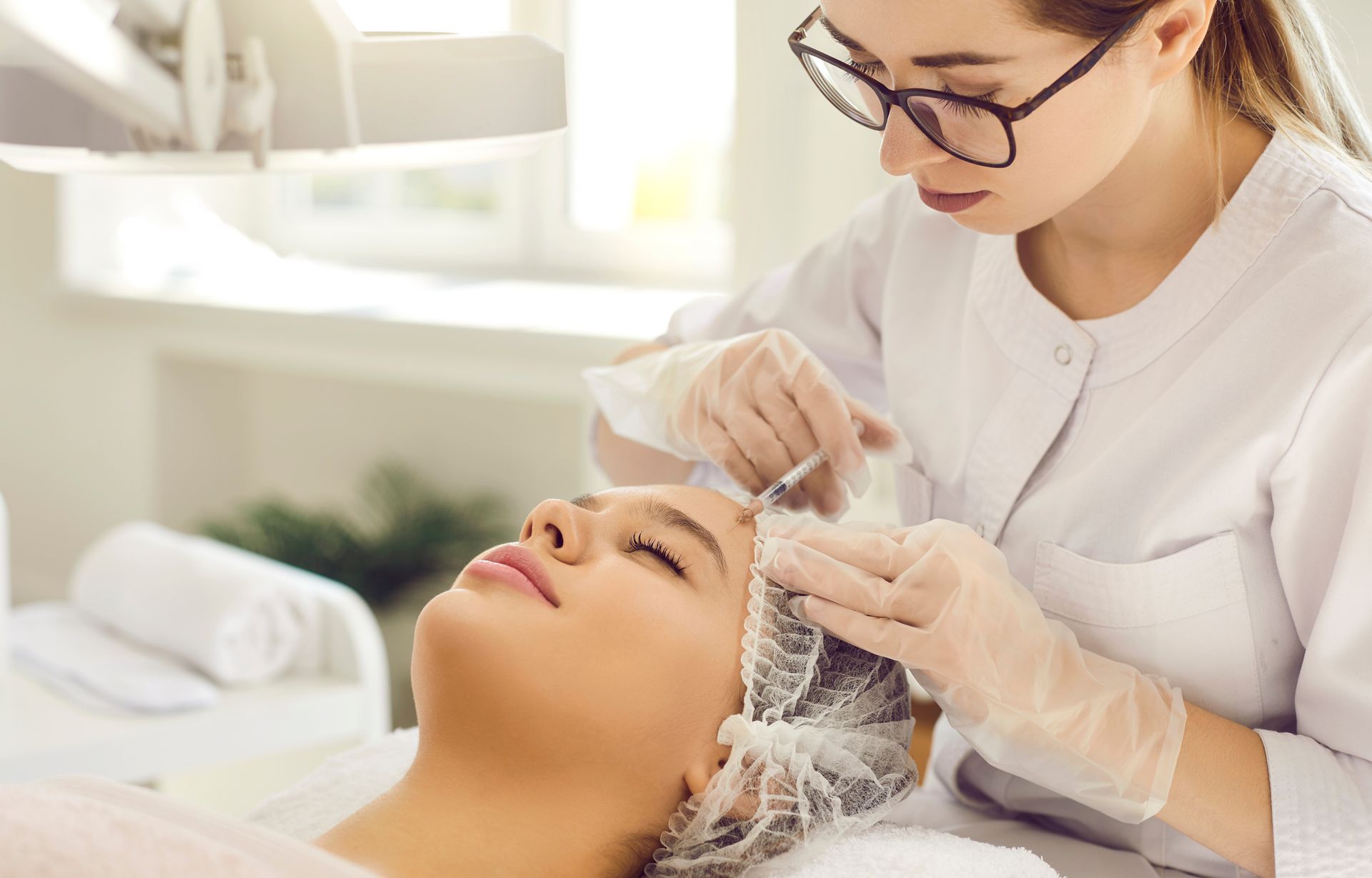
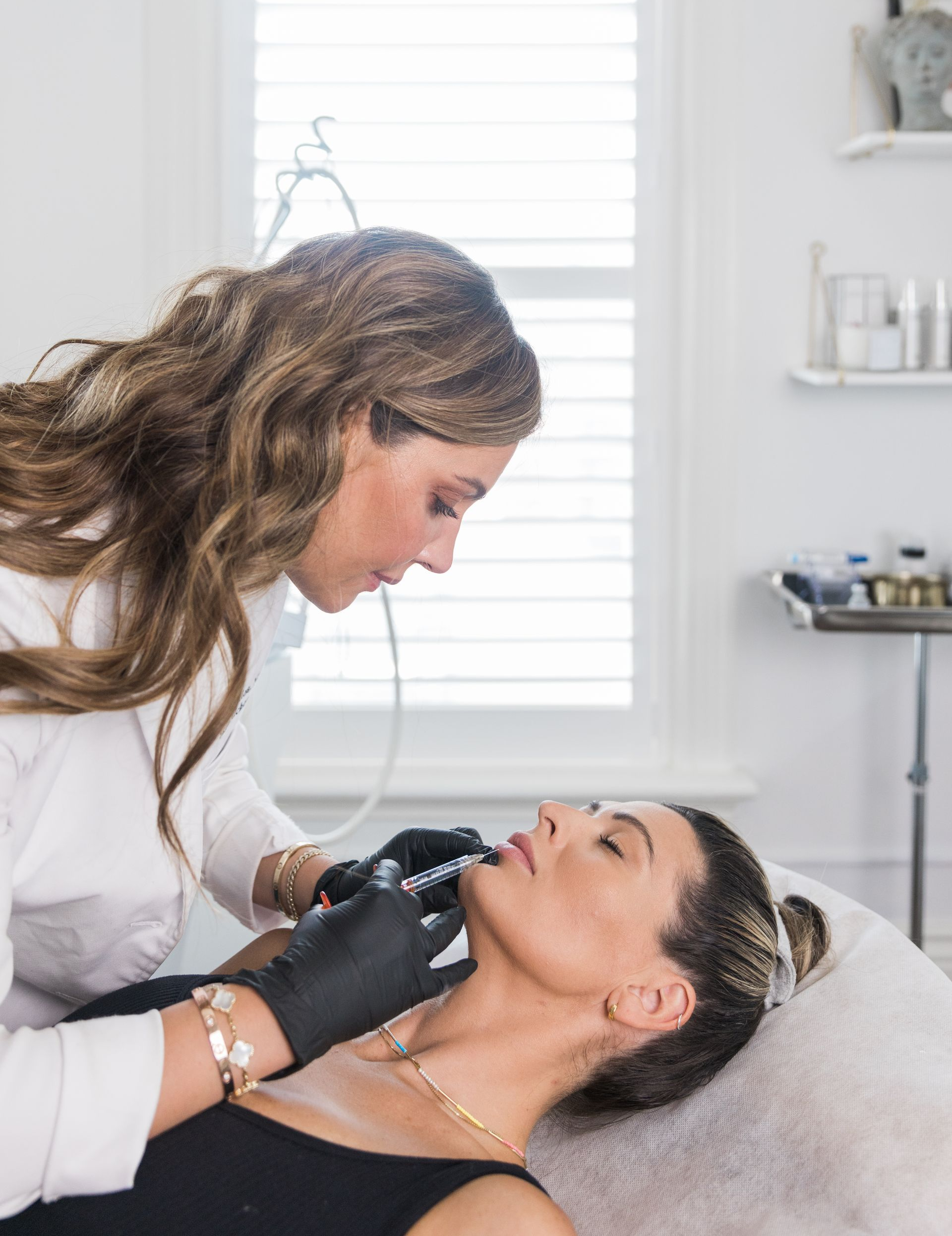
Neuromodulator appointments are typically 15–30 minutes:
- Makeup is removed and the area cleansed
- Photos may be taken for documentation
- You’ll be asked to frown, raise brows, squint, or smile so muscle patterns can be mapped
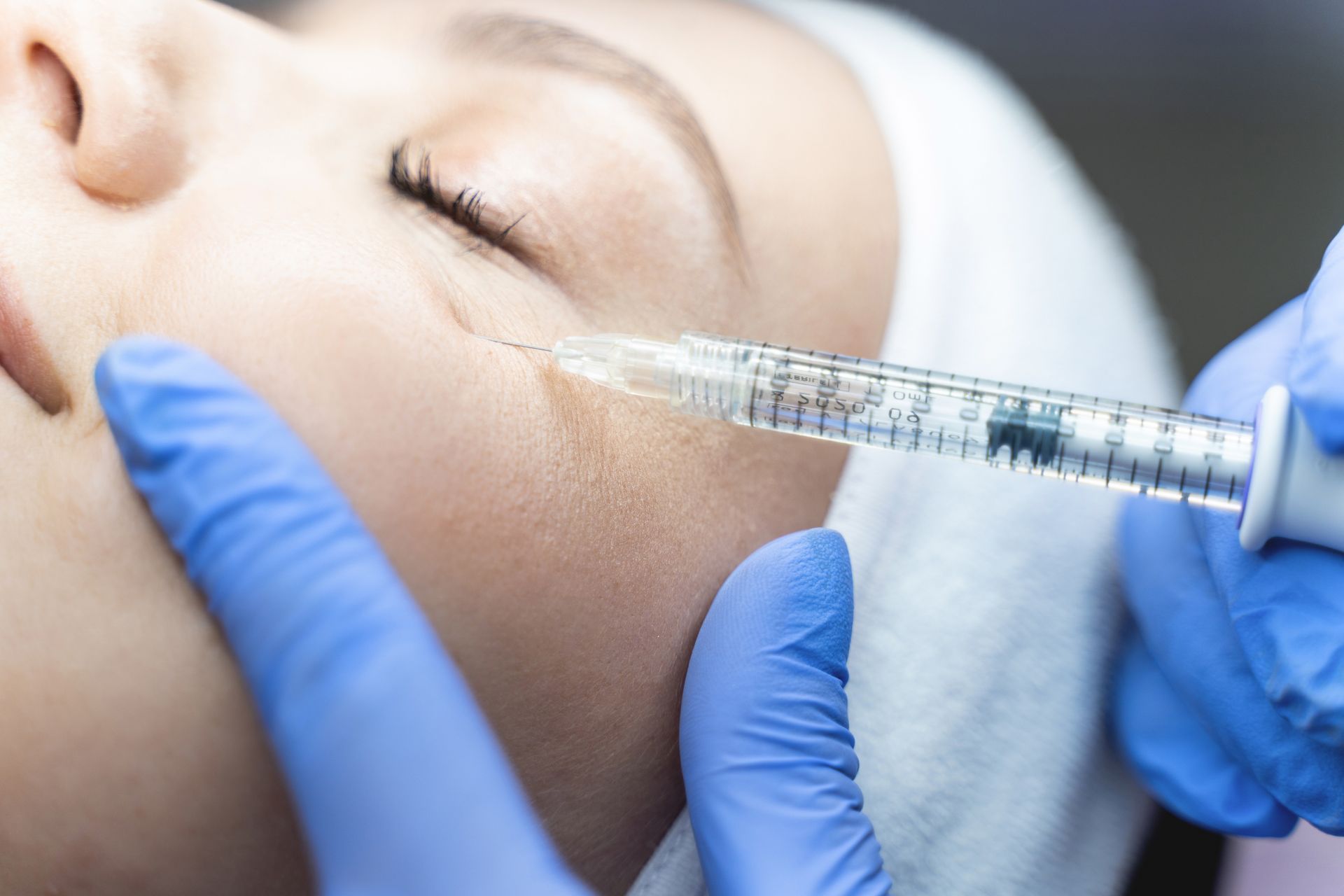
- A fine needle is used for precise micro-injections; most patients describe it as brief pinches rather than pain
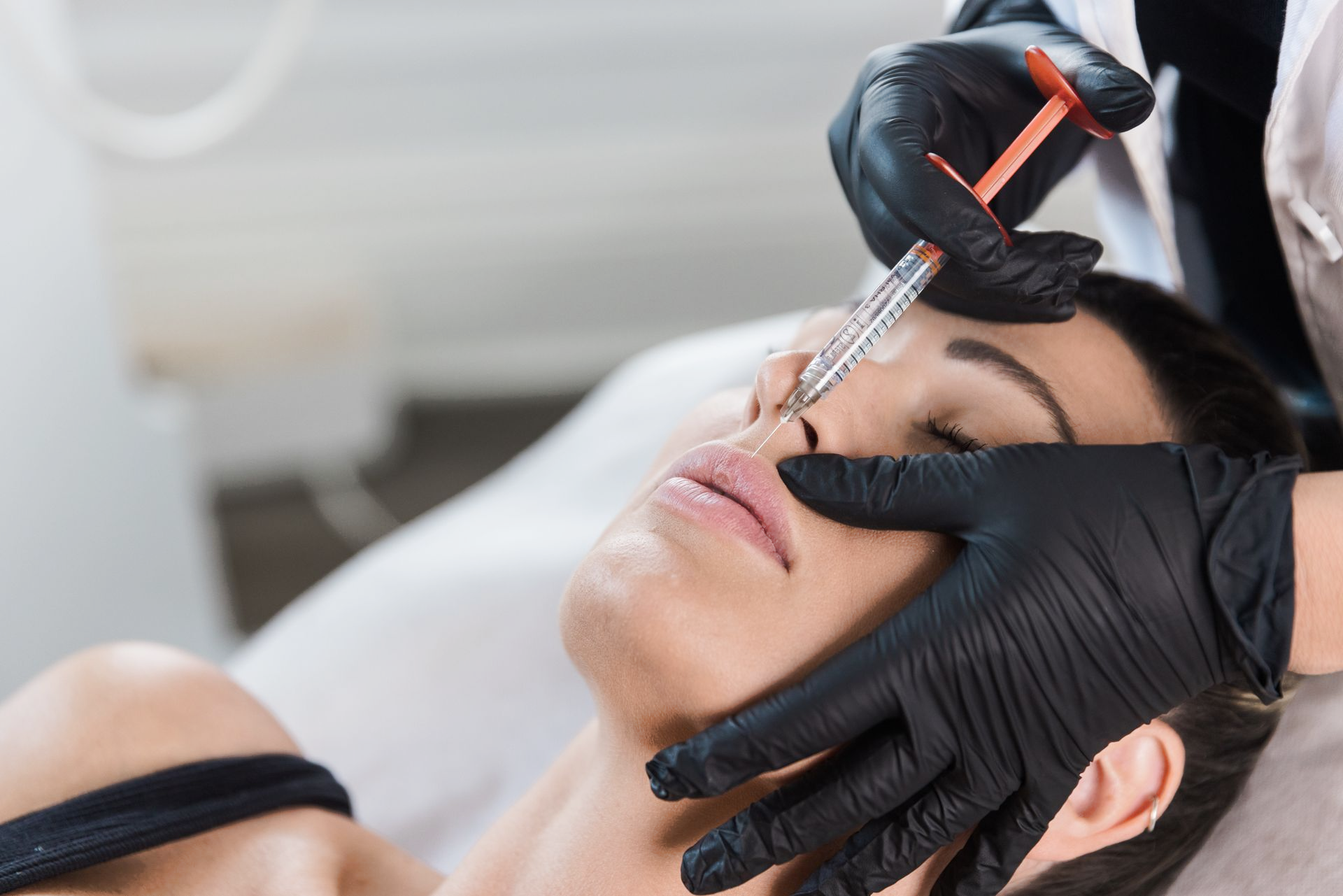
Ice, vibration devices, or numbing cream can be used for patient comfort if needed, especially around sensitive areas like lips.
after treatment
There is minimal downtime. Most people:
- Return to work or errands immediately
- Have tiny bumps at injection sites for 10–20 minutes that settle quickly
- Are advised to avoid strenuous exercise, saunas, and lying flat for several hours as a precaution
Mild headache or a “tight” feeling can occur as muscles begin to relax, typically resolving within a day.
when you see results and how long they last
- Initial softening: 3–5 days, sometimes sooner depending on product
- Full effect: around 10–14 days for most neuromodulators
- Duration: typically 3–4 months, sometimes longer in certain areas and after repeated treatments
Conservative dosing often means slightly shorter duration but more natural movement—an intentional trade-off some patients prefer. Many first-time patients appreciate starting on the lighter side, then adjusting at a 2-week follow-up if needed.
Safety, Credentials & Why Injector Choice Matters
Neuromodulators are widely used and have an extensive safety record when administered correctly. Complications are rare but can include bruising, temporary eyelid or brow heaviness, asymmetry, or, very rarely, more serious issues if products are misused.
Injector choice is the most important safety variable. Red flags include:
- No medical credentials or minimal supervision
- High-volume, low-consultation “Botox bars”
- One-size-fits-all dosing
- No discussion of risks, contraindications, or alternatives
At bespøke:
- Neuromodulators are provided by a nurse practitioner with anatomy-first training and experience in complex structural work
- Detailed medical history and medication review are performed prior to treatment
- Patients are educated on realistic expectations, potential risks, and when they might not be good candidates
The standard is clinical depth and quiet refinement over high volume or trend-chasing.
Is Botox Right For You
Botox and other neuromodulators may be an excellent option if you:
- Notice frown lines or forehead lines that make you look tired or tense
- Want to soften crow’s feet without losing your genuine smile
- Are in your late 20s–30s and want to prevent deeper lines forming
- Have already developed etched lines and want to stop them from worsening
- Value natural-looking, subtle change over dramatic, obvious work
They may not be right for you if you’re pregnant, breastfeeding, have certain neuromuscular disorders, or are seeking dramatic facial change that would be better served by structural treatments or surgery—something that will be discussed honestly during consultation.
The bespøke Neuromodulator Experience
The clinic’s neuromodulator philosophy mirrors its broader architecture-first brand system: structure first, restraint is refinement, quiet over loud. Each treatment is customized—not just by product and dosage, but by how your face moves, how you express yourself, and how you want to feel in your skin.
You won’t be rushed through a 5-minute “Botox top-up.” You’ll be assessed, educated, and treated with the same level of clinical precision usually reserved for more complex procedures.
Ready for neuromodulators that honour your face, not erase it?
Book a consultation for Botox and cosmetic neuromodulators in London, Ontario. You’ll leave with a clear understanding of what’s possible, what’s recommended, and a plan that puts skin health and natural expression first.
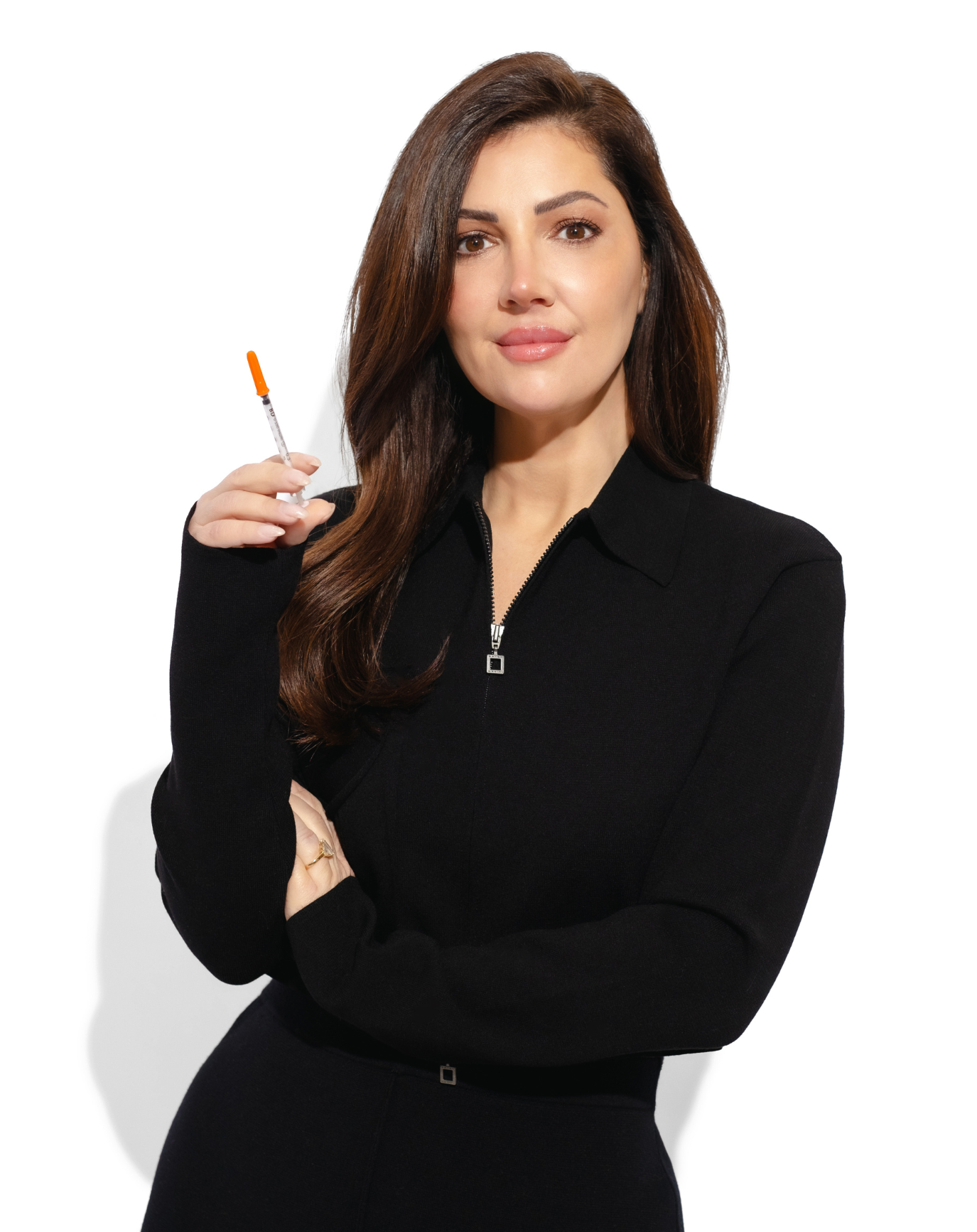
Sonia Vilos, Nurse Practitioner (NP) | Bespoke by SkinAlchemy | London, Ontario, Canada