Why Now Is the Best Time to Book Your Skin Renewal Peel Before Winter
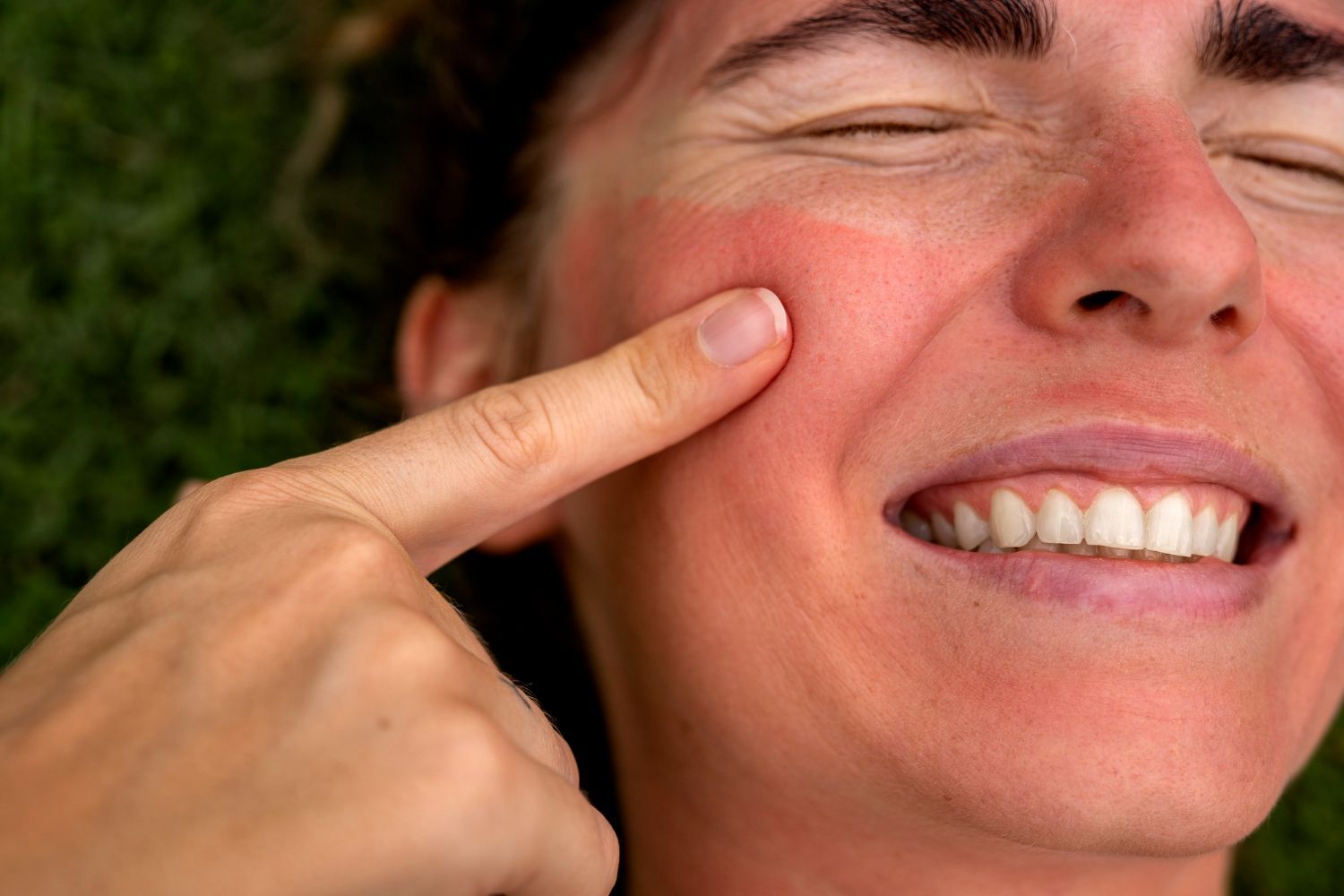
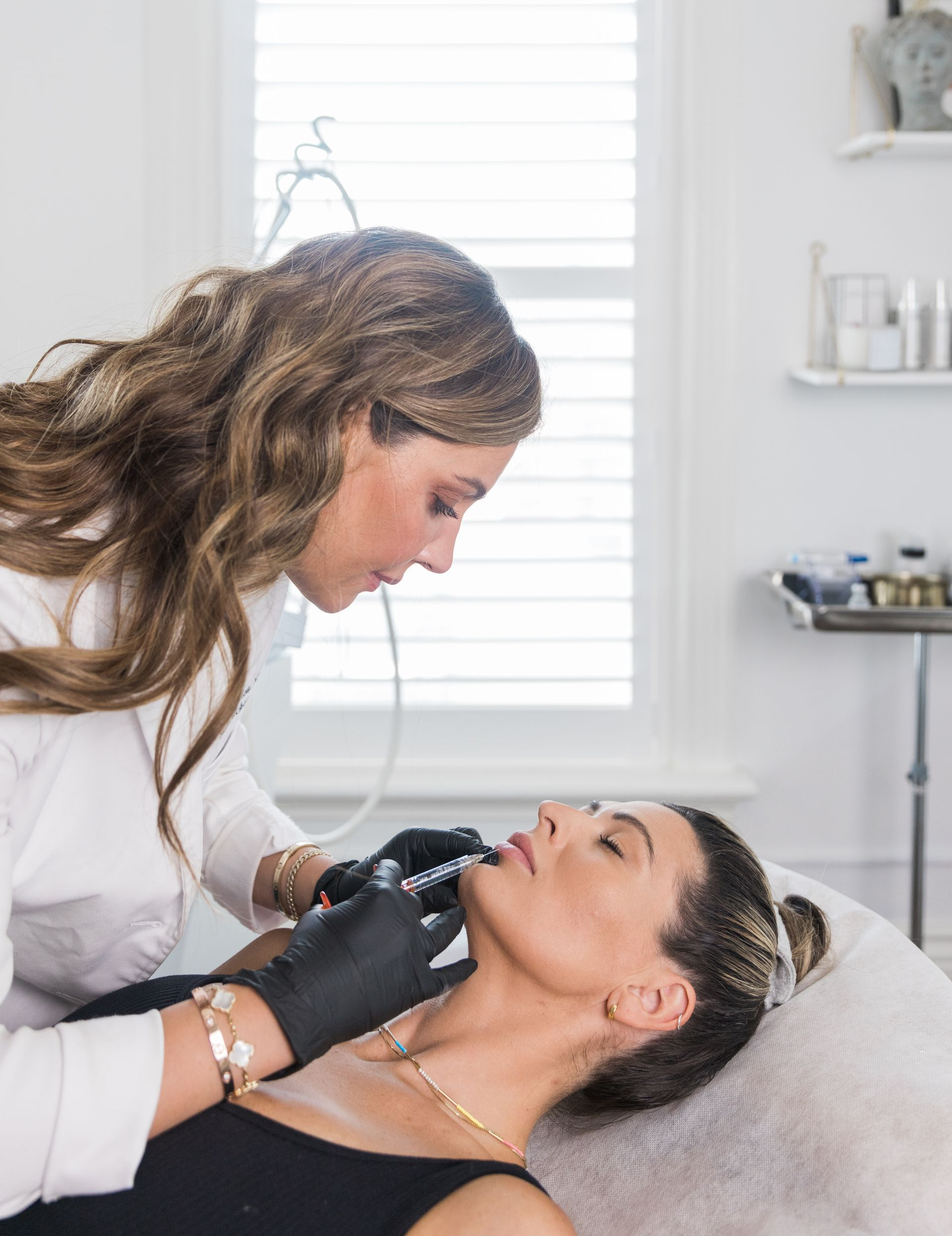
As the days grow shorter and the indoor heating turns on, your skin begins a difficult transition that often leads to dryness, congestion, and a dull appearance. At bespøke by SkinAlchemy, we know that waiting until the dead of winter to address these textural issues only makes them harder to correct. A targeted skin peel in London, Ontario, is the most effective way to clear away summer damage and prepare your dermal barrier for the harsh temperatures ahead.
Timing your clinical treatments correctly dictates how well your tissue responds and recovers. Autumn provides the perfect environmental window for resurfacing, offering lower UV indexes and moderate humidity in London, ON. By removing the built-up layer of damaged cells now, you allow hydrating products to actually penetrate and do their job when the freezing weather hits. This sequential guide walks you through exactly how to plan your corrective treatments before the winter season takes its toll.
What We Cover:
- Stage 1: Assess Your Current Skin Behavior
- Stage 2: Schedule Your Corrective Intervention
- Stage 3: Protect And Condition The New Barrier
- Frequently Asked Questions
- Taking Action Before The Season Turns
Stage 1: Assess Your Current Skin Behavior
Before booking a deep resurfacing session, you must evaluate what your skin is currently communicating. Understanding your baseline ensures the treatment selected is structurally appropriate for your tissue.
• Surface Congestion: Look for an increase in clogged pores or a rough, uneven texture that persists even after your regular at-home cleansing.
• Pigment Accumulation: Identify any lingering brown spots, post-breakout marks, or patchy discoloration left over from summer sun exposure.
• Hydration Levels: Notice if your skin feels tight or looks flat, which indicates your barrier is already struggling to retain moisture.
• Product Absorption: Pay attention to whether your daily serums are sitting on the surface rather than sinking in, a clear sign of dead cell buildup.
Stage 2: Schedule Your Corrective Intervention
Once you recognize the signs of barrier fatigue, securing your appointment becomes a matter of timing. The autumn months are highly sought after in clinical aesthetics, making planning necessary.
► Delaying your peel until deep winter forces your skin to heal while actively fighting extreme cold and dry indoor heating.
• Treatment Selection: Choose between a medium-depth Clinical Resurfacing Peel for intense correction or a BioRePeel for biostimulating maintenance without visible flaking.
• Timing the Downtime: Look at your calendar and block out five to seven days where you can avoid intense workouts, heavy sweating, and prolonged outdoor activities.
• Pre-Treatment Prep: Stop using all home retinols and strong exfoliating acids at least three days before your scheduled clinic visit to ensure your skin is not over-sensitized.
• Booking Adjacent Support: Consider scheduling an internal hydration treatment like SkinVive a few weeks after your peel to lock in deep dermal moisture.
Stage 3: Protect And Condition The New Barrier
The skin revealed after a resurfacing treatment is incredibly healthy but temporarily vulnerable. How you manage this fresh tissue dictates the longevity of your results.
• Lipid Replenishment: Apply a barrier repair cream rich in essential fatty acids to support the newly exposed cells and prevent trans epidermal water loss.
• Strict Sun Avoidance: Wear a high-quality mineral SPF daily, as the lower autumn sun still carries enough UV energy to trigger hyperpigmentation on fresh skin.
• Temperature Control: Avoid overly hot water when washing your face, and keep your distance from direct indoor heating vents that can aggressively dehydrate the tissue.
• Gentle Introduction: Wait a full week or until all mild flaking has naturally resolved before slowly reintroducing your active serums back into your routine.
Frequently Asked Questions
Why should I schedule a peel before winter?
Autumn offers the ideal healing environment because the UV index drops significantly and extreme cold has not yet set in. Removing the thickened layer of dead skin cells accumulated over the summer allows your heavy winter moisturizers to penetrate deeply. If you wait until January, your skin is already compromised by the cold, making the recovery process much more uncomfortable and prone to severe dryness.
What results can I expect from a clinical resurfacing peel?
A medium-depth peel accelerates cellular turnover to correct issues far beneath the surface layer. You will notice a visible reduction in post-inflammatory hyperpigmentation, a clearing of deep pore congestion, and a much smoother overall texture. Over time, this controlled exfoliation also stimulates biological activity that improves skin density and softens fine lines.
What aftercare is needed for the best healing?
Proper recovery relies on extreme gentleness and an absolute commitment to sun protection. You will experience mild redness and light flaking over three to five days, during which you must completely avoid retinols, physical scrubs, and excessive heat. Keep the skin consistently hydrated with a bland moisturizer and allow the damaged cells to shed naturally without any picking or pulling.
Taking Action Before The Season Turns
Preparing your skin for the challenging winter months is a process that requires strategic timing and professional guidance. Clearing away structural damage now ensures your barrier remains resilient, hydrated, and bright when the weather is at its worst. Secure your appointment for a clinical peel to reset your cellular health. Reach out today to evaluate your tissue and finalize your autumn treatment timeline.