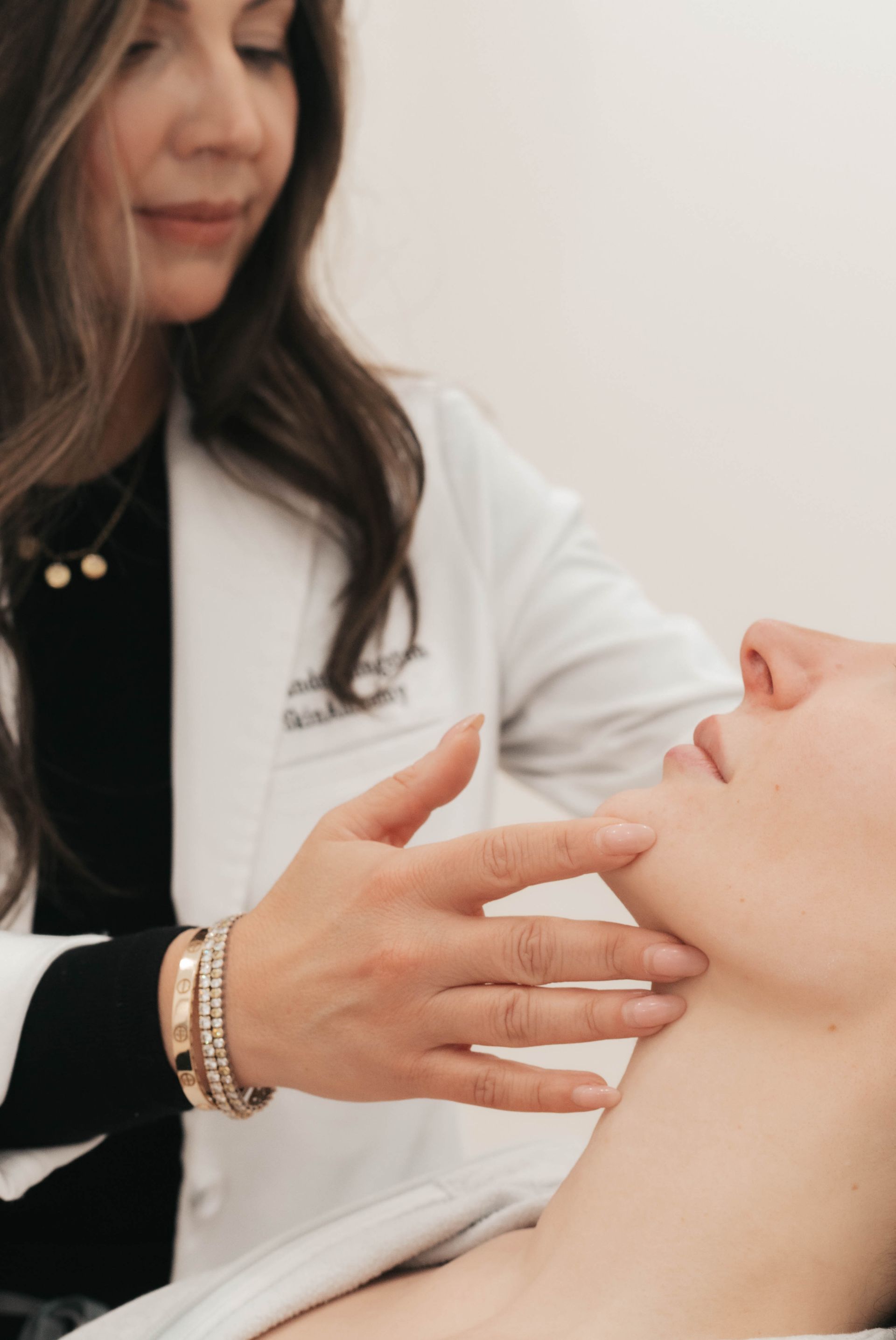
Structural vs. Surface: Why Facial Anatomy Matters Most in Injectables
Facial aging is rarely just a matter of the skin changing over time. It is a fundamental shift in bone support, fat pad position, and muscle tension that creates the shadows and lines we see on the surface. Many people exploring injectable treatments in London, Ontario, seek quick corrections for specific wrinkles without realizing that treating the symptom often ignores the root cause. At bespøke by SkinAlchemy, we approach the face as an interconnected system rather than a collection of isolated flaws.
When treatments focus only on filling lines or freezing muscles, the results can easily look disconnected from the rest of your features. The most reliable way to maintain a recognizable and expressive appearance is to respect the underlying framework of the face. Our anatomy-first method ensures every decision supports long-term balance rather than short-term aesthetics.
What We Cover:
- The Problem With Chasing Lines Instead Of Structure
- Why Quick Fixes And Isolated Adjustments Fall Short
- Building a Long-Term Plan for Injectable Treatments in London, Ontario
- Moving Forward With A Structural Assessment
The Problem With Chasing Lines Instead Of Structure
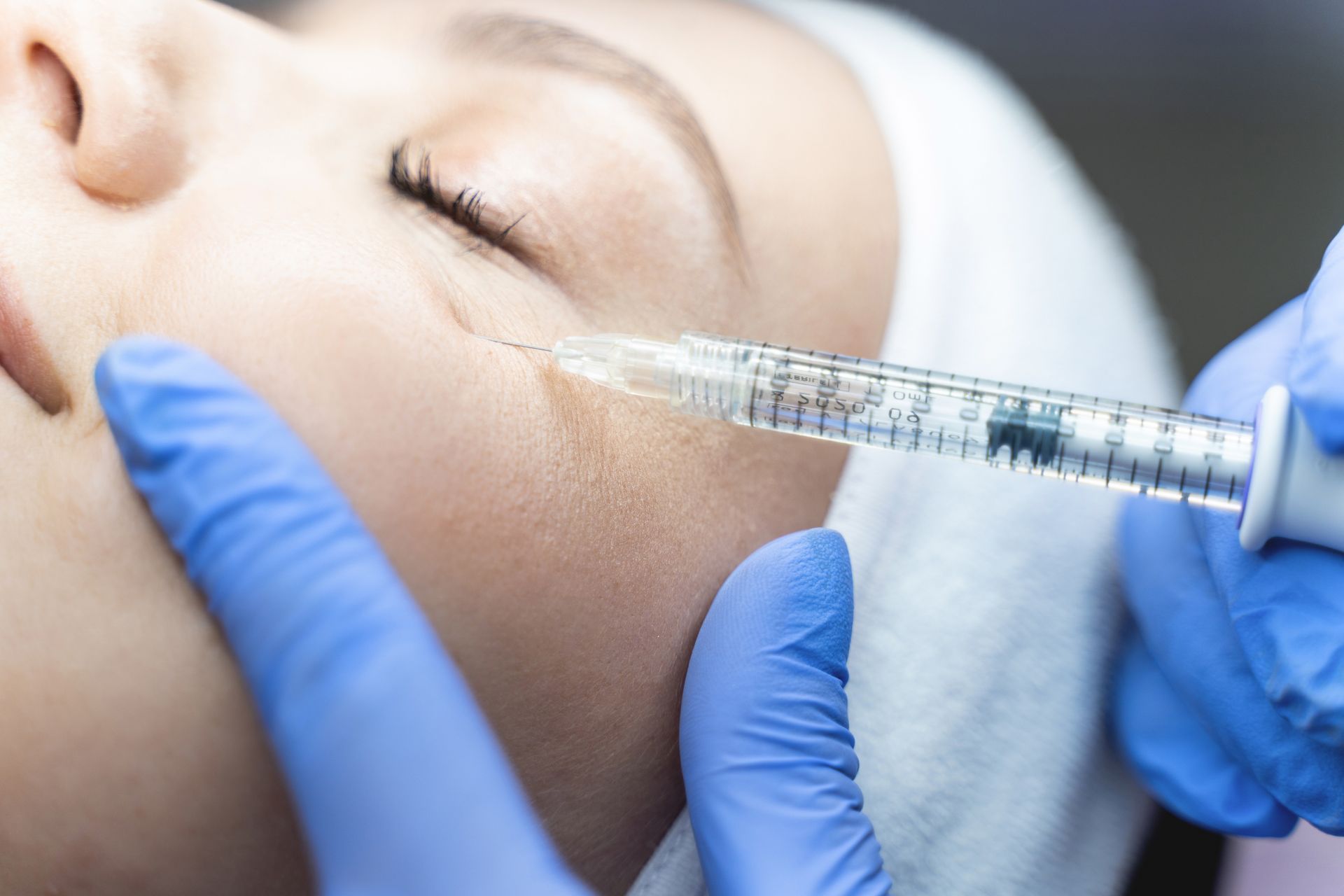
Aging happens in distinct layers from the bone up to the skin surface. When collagen decreases and bone structure subtly shifts, the skin loses its scaffolding and begins to fold or hollow in predictable ways. Addressing this by simply putting dermal fillers directly into the visible fold often results in heaviness and an unnatural appearance because the real issue is a lack of structural support underneath the skin.
→ From a professional standpoint: adding volume to a collapsing structure creates weight, whereas restoring support creates lift and natural contours.
By assessing tissue depth and ligament behavior first, practitioners can place products like Radiesse or targeted hyaluronic acid exactly where the anatomy dictates. This method reinforces the facial architecture so the skin drapes naturally over the restored framework. Restoring true balance requires looking past the surface to understand the mechanical forces shaping the face. Structural integrity must be established before surface details can be refined properly.
Why Quick Fixes And Isolated Adjustments Fall Short
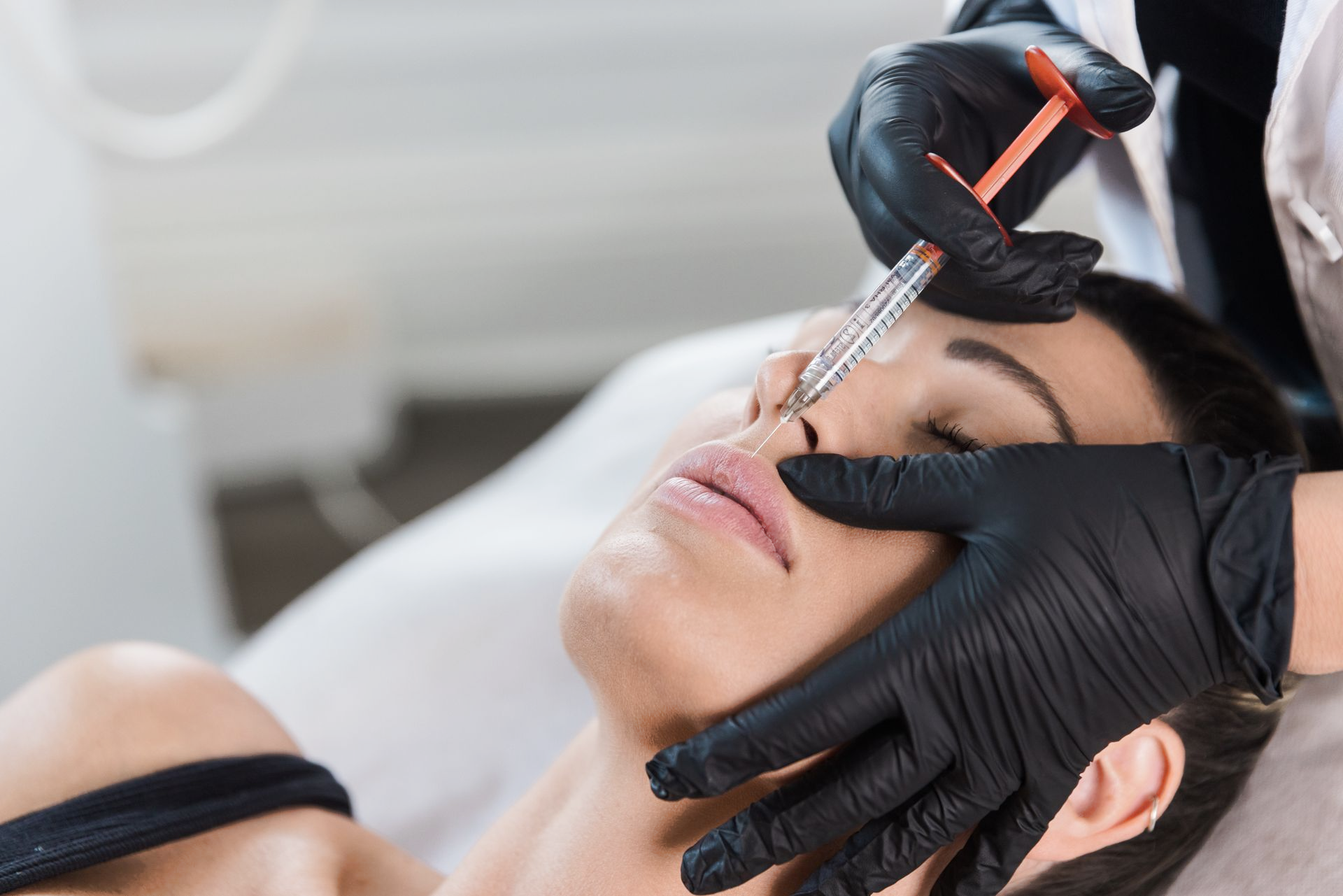
It is incredibly tempting to try to fix one specific area of concern without considering how it interacts with the rest of the face. A common mistake in cosmetic medicine is treating neuromodulators or fillers as standalone menu items rather than integrated tools within a larger strategy. When providers isolate a single feature or chase a trend without evaluating global facial balance, the resulting modifications can distort natural movement and make the face look visibly altered. This is exactly why DIY approaches or discount quick fixes consistently fail and often leave the patient needing corrective work to dissolve poorly placed product.
→ A quick tip to remember: true facial harmony relies on proportion, and forcing a localized change often draws more attention to the very issue you wanted to conceal.
Over time, repeated surface-level corrections compound until the face loses its defining characteristics. Proper treatment requires understanding how one adjustment impacts neighboring tissue and muscle dynamics. True aesthetic medicine respects the interconnected nature of the facial muscles and fat pads, treating the face as a single moving canvas.
Building a Long-Term Plan For Injectable Treatments in London, Ontario
The goal of any aesthetic intervention should be controlled support that preserves your unique expressions. This means looking beyond immediate volume and planning for how your tissue will behave months and years down the line in London, ON. A strategic plan often combines treatments that relax tension with those that stimulate collagen, such as Sculptra, ensuring the structural integrity of the skin remains strong over time.
What makes an anatomy-first approach to injectables safer and more natural-looking?
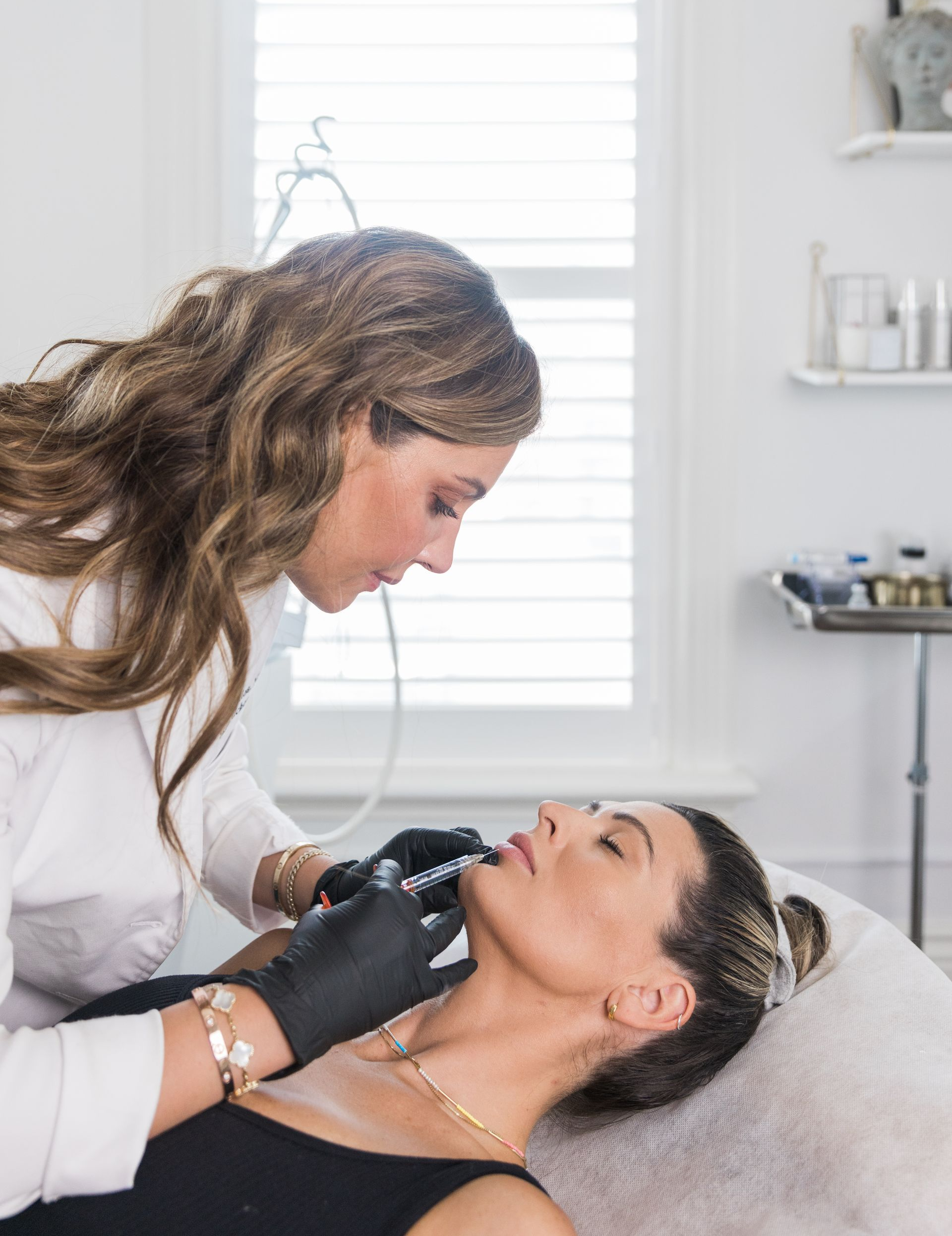
An anatomy-first method relies on a deep understanding of where muscles pull, how expressions form, and where vital vessels are located beneath the skin. By mapping individual movement patterns before any product is placed, a practitioner minimizes risk and ensures the treatment moves fluidly with your face. This level of precision prevents the frozen or inflated look that happens when dosing is standardized rather than tailored to the unique physiological makeup of the patient. Careful anatomical mapping keeps treatments safe and ensures the outcomes look entirely intrinsic to your face.
Moving Forward With A Structural Assessment
Evaluating your facial anatomy is the crucial first step before deciding on any specific product or technique. A thorough consultation helps identify the root cause of the changes you see and maps out a logical path for careful intervention. Reach out to schedule a full structural assessment and begin planning a treatment strategy that respects your natural features.